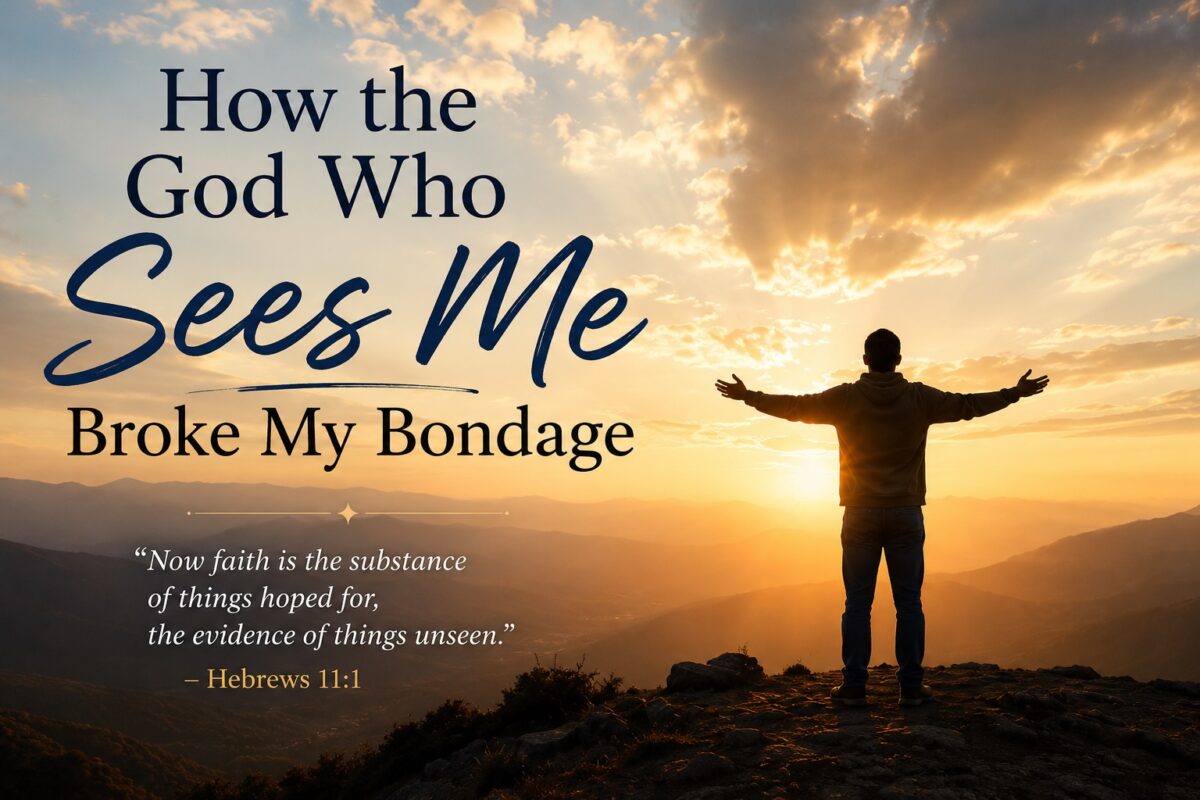
“Very truly I tell you, everyone who sins is a slave to sin.”
—John 8:34
For most of my life, I believed I was a free man.
I was doing my own thing, making my own decisions, and living without thinking much about God or spiritual matters. As long as no one controlled me, I considered myself free.
But as I began reading more and more Scripture, I encountered an uncomfortable truth.
Freedom does not simply mean doing whatever I want.
In fact, doing whatever I want may be one of the clearest signs that I am not free at all. A desire may begin as something I enjoy, yet slowly become something I believe I cannot live without. Before long, it starts influencing my thoughts, decisions, relationships, money, and time.
I may still insist that I am in control.
But Jesus asks a deeper question:
What is mastering me?
Jesus’ Uncomfortable Diagnosis
In John 8, Jesus was speaking to people who believed that their connection to Abraham made them free. They responded:
“We are Abraham’s descendants and have never been slaves of anyone. How can You say that we shall be set free?”
—John 8:33
They were thinking about social and political freedom. Jesus was speaking about something deeper.
“Very truly I tell you, everyone who sins is a slave to sin.”
—John 8:34
Jesus was not merely saying that sin is wrong. He was saying that sin enslaves.
That is difficult to accept because sin rarely introduces itself as a master. It presents itself as freedom.
It says:
Do what makes you happy.
Follow your desires.
You deserve this.
No one has the right to tell you how to live.
But something can promise freedom while quietly taking control of us.
What begins as a choice can become a habit. The habit can become a necessity. The necessity can eventually become a chain.
The Masters We Do Not Recognize
Some forms of bondage are easier to see than others.
Alcohol abuse, drugs, smoking, pornography, gambling, uncontrolled anger, gossip, and covetousness can all gain power over a person’s life. They can damage our bodies, relationships, responsibilities, and ability to live honestly before God.
But we should not limit bondage to things that appear obviously sinful.
Relationships, money, work, sports, music, exercise, entertainment, reputation, and even ministry can begin to master us.
These things are not necessarily evil. Many of them are gifts that can be received with gratitude. But even a good gift becomes a cruel master when it occupies the place that belongs to God.
A relationship can become the source of my identity.
Money can become the foundation of my security.
Work can become the measure of my worth.
Entertainment can become the place where I continually escape from reality.
The approval of others can begin controlling everything I say and do.
The question is not simply, Do I enjoy this?
A better question is:
What happens within me when I cannot have it?
If something I call a pleasure cannot be surrendered without consuming anxiety, anger, secrecy, resentment, or desperation, I should ask whether I possess it—or it possesses me.
Paul expressed this principle clearly:
“‘I have the right to do anything’—but not everything is beneficial. ‘I have the right to do anything’—but I will not be mastered by anything.”
—1 Corinthians 6:12
Something does not need to look wicked before it begins ruling the heart.
Whatever Masters Us Owns Us
Peter warned the early Christians about false teachers who promised people freedom while drawing them back into corrupt desires.
He wrote:
“They promise them freedom, while they themselves are slaves of depravity—for people are slaves to whatever has mastered them.”
—2 Peter 2:19
Peter was addressing false teachers in that passage, but the principle reaches into every human life:
People are slaves to whatever has mastered them.
That sentence forces me to examine myself honestly.
What occupies my thoughts when everything is quiet?
What do I continually defend, even when I know it is harming me?
What am I afraid to surrender?
What determines whether I feel secure, valuable, or at peace?
What do I repeatedly obey even when I want to stop?
For much of my life, I believed freedom meant belonging to no one. Scripture showed me that I was already obeying desires and impulses that I had never recognized as masters.
I could boast about my independence and free will, but my choices revealed what I truly served.
Two Masters and Two Destinations
Paul develops this truth in Romans 6:
“Don’t you know that when you offer yourselves to someone as obedient slaves, you are slaves of the one you obey—whether you are slaves to sin, which leads to death, or to obedience, which leads to righteousness?”
—Romans 6:16
Slavery was an everyday reality in the Roman world. Paul’s readers understood that a slave belonged to a master and lived under that master’s authority.
Paul uses that familiar and painful image to reveal our spiritual allegiance. The pattern of our obedience shows which master we are serving.
Sin leads toward death.
Obedience to God leads toward righteousness.
Paul is not teaching that we earn salvation by behaving well. Romans 6 is grounded in what Jesus has already done. Through His death and resurrection, Christ breaks sin’s claim over those who belong to Him.
Sin may still tempt us, but it is no longer our rightful master.
That is why Paul can say:
“You have been set free from sin and have become slaves of righteousness.”
—Romans 6:18
Christian freedom is not the freedom to do whatever our desires demand. It is freedom from the power that once prevented us from living as God created us to live.
Is God Simply Another Master?
At first, the idea of becoming a servant of God may not sound like freedom.
Are we merely exchanging one form of slavery for another?
There is a profound difference.
Sin takes from us while promising freedom. It demands more and gives less until pleasure becomes necessity and necessity becomes bondage.
Jesus does the opposite.
He asks us to surrender our lives, yet in surrendering to Him we begin recovering what sin was stealing: peace, truth, dignity, love, self-control, and fellowship with God.
Sin treats us as possessions to be consumed.
God receives us as children to be loved.
Paul writes:
“The Spirit you received does not make you slaves, so that you live in fear again; rather, the Spirit you received brought about your adoption to sonship.”
—Romans 8:15
This is the beautiful tension of the Christian life.
We belong completely to God. Scripture can even call us His servants. Yet we do not belong to Him as terrified captives under a cruel master. Through Christ, we have been welcomed into His family as sons and daughters.
God does not free us merely to leave us wandering without direction. He frees us from sin and brings us home.
The Son Sets Us Free
Jesus did not finish His teaching in John 8 by announcing our slavery. He also revealed the way out:
“If the Son sets you free, you will be free indeed.”
—John 8:36
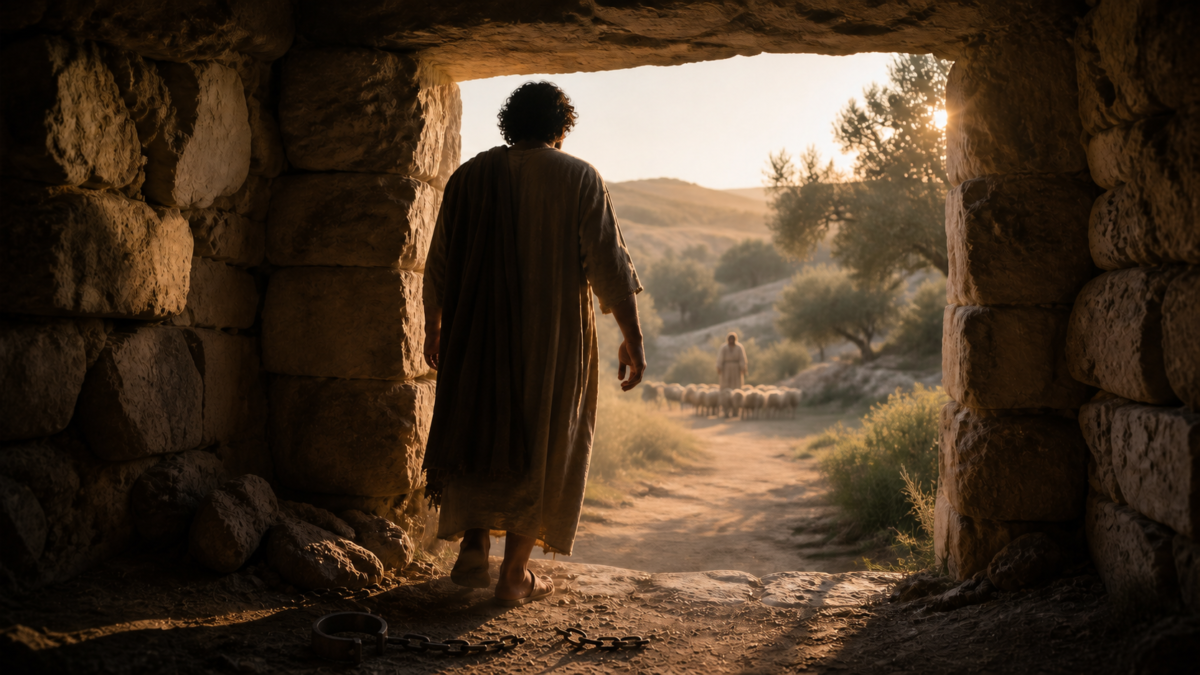
Jesus does not merely tell prisoners to behave better inside their cells.
He opens the door.
He does not stand outside our bondage and tell us to free ourselves through stronger willpower. He entered our condition, carried our sin to the cross, and rose again in victory over sin and death.
Freedom begins with what Christ has done, not with what we manage to achieve.
That does not mean every destructive habit disappears immediately. Some chains have been strengthened over many years. Freedom may involve confession, repentance, accountability, difficult changes, and patient healing.
Serious addiction may also require medical treatment, counseling, or professional support. Seeking such help is not a failure of faith. God often works through the wisdom, care, and support of other people.
But the struggle now takes place from a new position.
Those who belong to Jesus are no longer abandoned prisoners trying to rescue themselves. The Holy Spirit lives within them. Sin may still speak, but it no longer owns them. Its commands no longer have to be obeyed.
Learning to Live as a Free Person
We may not always feel God’s nearness, but Christ has promised not to abandon His people.
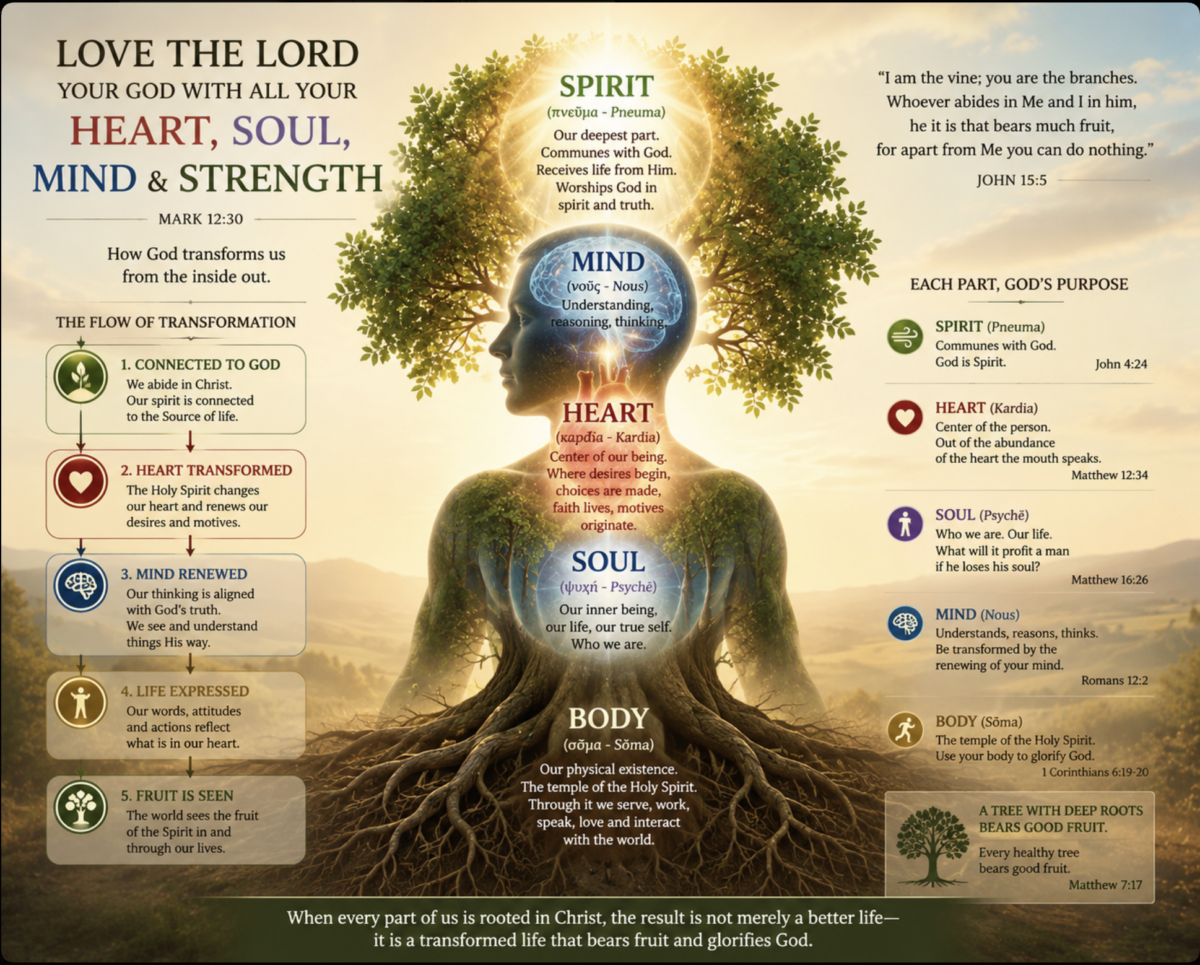
We can approach Him anywhere in prayer. We can listen to Him through Scripture. We can depend on the Holy Spirit to expose what is false, convict us of sin, renew our minds, and guide us toward obedience.
This freedom must be lived one choice at a time.
When anger tells me to retaliate, I can surrender my response to Christ.
When lust promises satisfaction, I can remember that my body belongs to the Lord.
When fear tells me to seize control, I can place my future in the Father’s hands.
When envy makes another person’s blessing feel like my loss, I can give thanks for God’s faithfulness.
When pride tells me to hide my failure, I can step into the light, confess, and receive grace.
Obedience is not how we persuade Jesus to free us.
Obedience is how we learn to walk in the freedom He has already given.
Whom Will I Serve?
So whom will I serve?
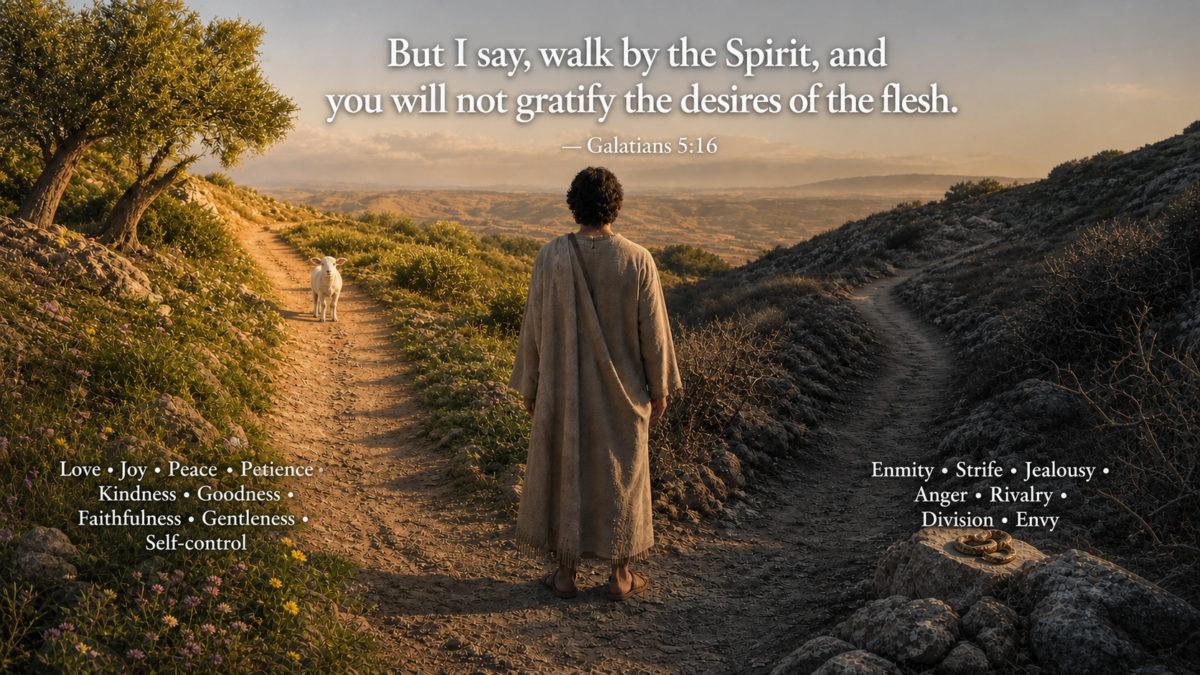
Will I serve the desires of the flesh, which promise freedom but gradually take control? Or will I surrender myself to Jesus, whose way leads to righteousness and life?
Obedience to Christ has not made my life free from struggle. Temptation has not disappeared, and I do not always choose rightly.
But I am discovering that His commands do not place another crushing burden upon me. They release me from the masters that were already crushing me.
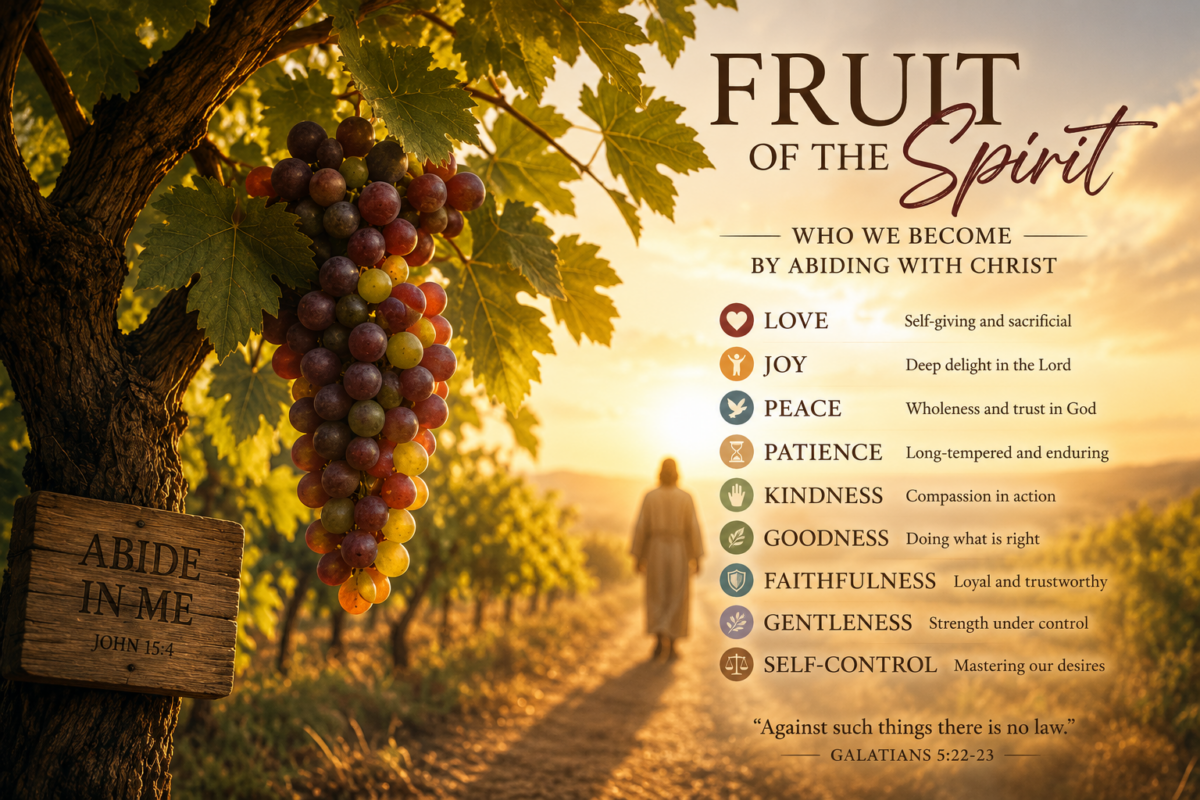
What once promised pleasure but left me empty is gradually losing its hold. In its place, the Holy Spirit is producing something I could never manufacture for myself: love, joy, peace, patience, kindness, goodness, faithfulness, gentleness, and self-control.
For most of my life, I believed freedom meant belonging to no one.
Now I am learning that true freedom is being released from everything that destroys me so that I may belong completely to Jesus Christ.
I know whom I have chosen.
Day by day, I can see Him changing me and lifting the weight I carried for so long.
Sin says, “You are free,” while tightening the chains.
Jesus says, “You belong to Me,” and opens the door.
“But now that you have been set free from sin and have become slaves of God, the benefit you reap leads to holiness, and the result is eternal life.”
—Romans 6:22